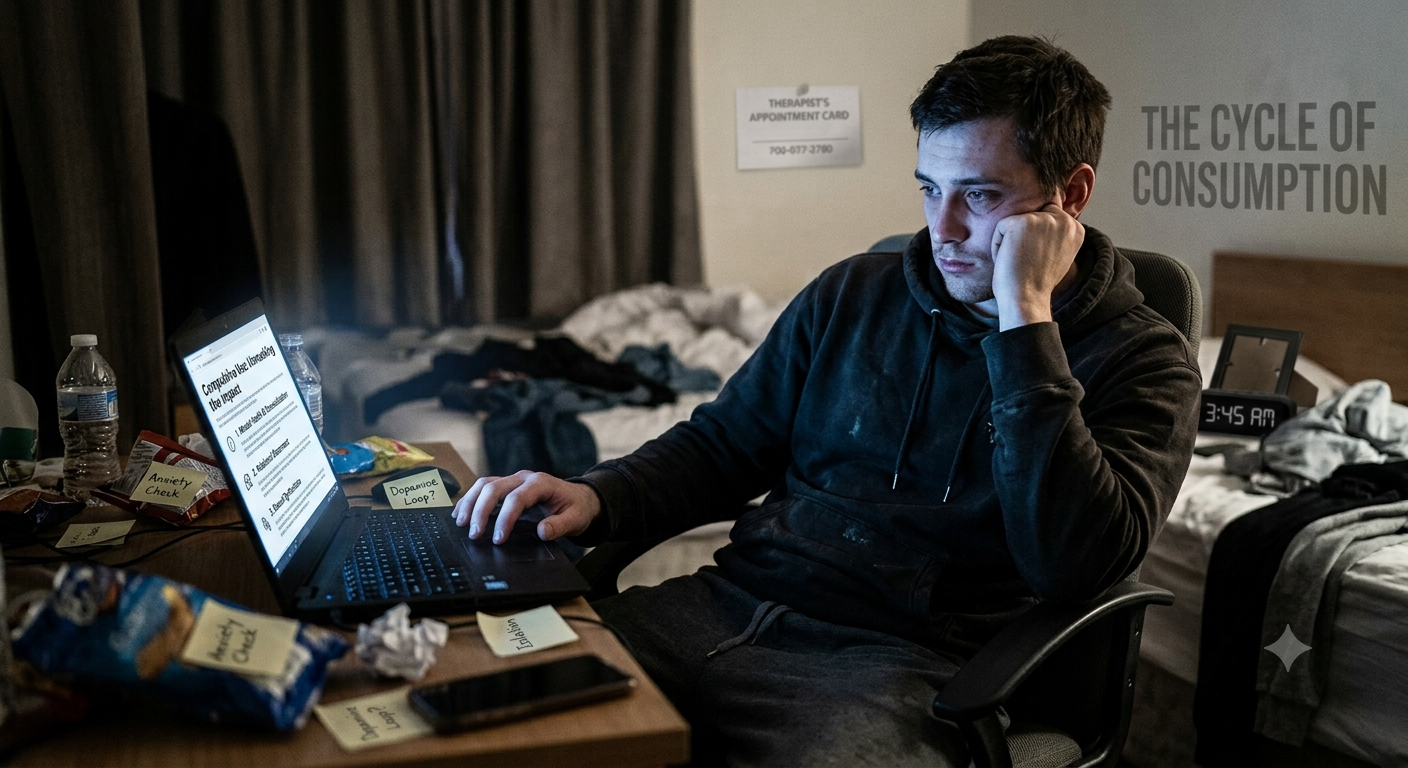
While pornography consumption is common, research and anecdotal evidence suggest that viewing it excessively or compulsively can have negative impacts on mental health, relationships, and overall well-being. It's often categorized similarly to other behavioral addictions when it starts interfering with daily life. Here’s a breakdown of some potential effects:
1. Mental Health & Cognitive Changes:
Desensitization & Tolerance: Continued exposure can lead to desensitization, requiring increasingly explicit or extreme content to achieve the same level of arousal. This can distort views on healthy sexual expectations.
Anxiety & Depression: Many individuals who struggle with compulsive use report increased feelings of shame, guilt, and anxiety. This can contribute to or worsen underlying depression.
Impact on Dopamine Levels: Like other addictive behaviors, watching pornography triggers the release of dopamine (a feel-good neurotransmitter). Over time, the brain can struggle to produce dopamine naturally, leading to flat moods when not viewing pornography.
Body Image & Self-Esteem: Pornography often presents unrealistic body standards and sexual performances, which can lead to insecurity and dissatisfaction with one's own body or sexual abilities.
2. Relationship Issues:
Decreased Intimacy: Compulsive use can create a preference for solitary sexual gratification over intimacy with a partner.
Relationship Conflict: Disagreements often arise due to secrecy surrounding pornography use, differences in sexual expectations fueled by porn, or one partner feeling neglected.
Distorted Views of Relationships: Pornography frequently objectifies individuals and focuses solely on sexual acts, which can negatively impact how one views and treats romantic partners in real life.
3. Sexual Health:
Sexual Dysfunction: In some cases, excessive use (particularly of specific genres) has been linked to sexual difficulties in real-life encounters, such as erectile dysfunction or difficulty reaching orgasm with a partner.
Unrealistic Expectations: Pornography often portrays scenarios that are not realistic, potentially leading to disappointment during actual sexual experiences.
When to Seek Help:
If you find that pornography consumption is negatively impacting your work, relationships, or mental well-being, or if you feel unable to control your consumption, consider seeking professional support from a therapist or counselor specializing in behavioral health or addiction.
Photo Description:
A candid, documentary-style photograph taken late at night in a cluttered, dimly lit bedroom. The primary light source is the cool, blue glow emitting from a laptop screen, which illuminates the tired face of a young adult man (20s) sitting at a desk. He wears a dark hoodie, and his expression is weary and disconnected, eyes fixed on the screen while his chin rests on his hand. The depth of field is shallow, keeping the focus sharp on the man and the glow of the laptop, while the background (cluttered desk, unmade bed, closed curtains) is slightly blurred, emphasizing isolation and late-night habits. The mood is somber and reflective.Understanding the Potential Effects of Compulsive Pornography Use
While pornography consumption is common, viewing it excessively can sometimes lead to negative consequences for an individual's mental health, relationships, and daily functioning. When usage becomes compulsive or interferes with responsibilities, it may be associated with several potential effects.
Potential Mental Health & Cognitive Impacts:
Changes in Brain Wiring: Research suggests that frequent use might impact the brain's reward system, similar to other addictive behaviors. Over time, this can lead to desensitization, requiring increasingly explicit or novel content to achieve the same level of satisfaction.
Increased Anxiety & Shame: Individuals who struggle with excessive use often report feelings of guilt, shame, and anxiety regarding their habits, especially if they are trying to stop but feel unable to do so.
Body Image Dissatisfaction: Continuous exposure to unrealistic portrayals of physicality can lead to body image insecurities and dissatisfaction with one's own appearance or sexual performance.
Potential Relationship & Social Challenges:
Decreased Intimacy: Compulsive use can sometimes lead to a preference for solitary gratification over intimacy with a real-world partner, potentially creating distance or conflict in relationships.
Distorted Views on Sex: Porngraphy often presents idealized or distorted scenarios that do not reflect healthy, consensual, real-world interactions. This can create unrealistic expectations for sexual partners and encounters.
Seeking Balance and Support:
It is important to find a healthy balance that works for your well-being. If you or someone you know feels that their pornography consumption is negatively impacting their life, relationships, or mental health, seeking support from a licensed mental health professional can be a valuable step.
